Is Oats Good for Breakfast? Here's What the Nutrition Actually Shows
Yes, oats are good for breakfast, and the evidence behind that answer is more interesting than the usual wellness shorthand lets on.
Most mornings, the question is not really "should I eat oats?" It is closer to "is this bowl I'm making because I ran out of ideas actually doing anything for me?" That is a fair thing to wonder. Oats have been marketed so aggressively as a health food that the actual nutrition gets a little buried under the branding.
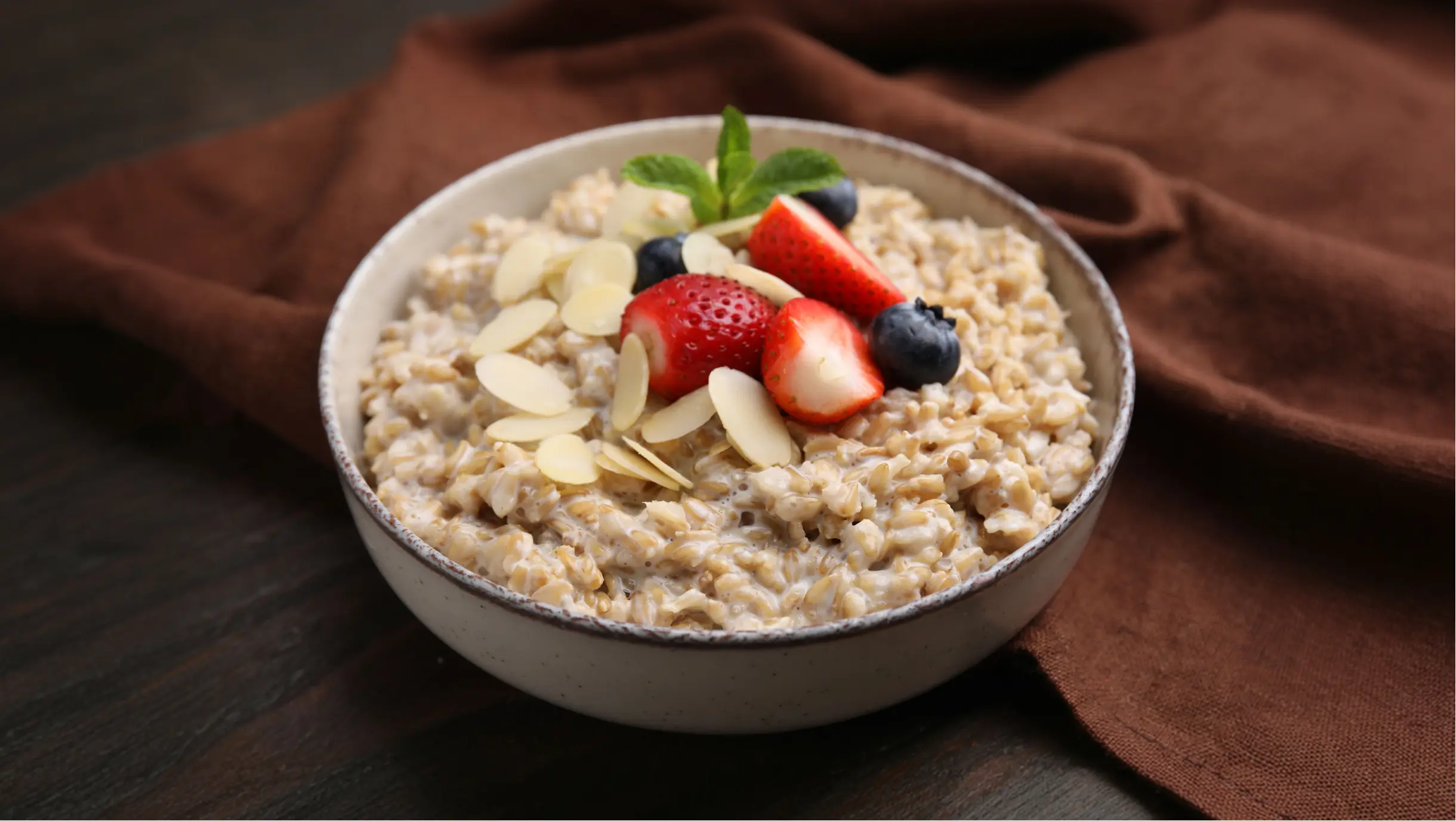
What the research shows is that oats offer a combination that is genuinely useful at breakfast: slow-digesting carbohydrates, meaningful fiber, and enough protein to hold you until the next meal. Steel-cut oats carry the highest fiber content and the lowest glycemic impact of the common varieties, which matters if stable energy through the morning is the goal. Rolled oats are a close second and considerably faster to cook. Instant oats work in a pinch but are processed enough that the satiety benefit shrinks noticeably.
The case for oats as a breakfast staple is not that they are a superfood. It is that they are a genuinely solid, affordable, and versatile ingredient that Indian kitchens have been underusing in their own idiom.
What's Actually Inside a Bowl of Oats
Oats are a whole grain, which means the bran, germ, and endosperm arrive together rather than being milled apart the way refined grains are. That structural wholeness is what makes the nutritional profile look the way it does.
Per 100 grams of raw oats, the numbers are (source):
A cooked serving lands at roughly 150–170g (about half a cup dry), which means the protein in a typical bowl sits around 8–9 grams. That is not trivial. For a breakfast that tends to be lighter in Indian households, especially on weekday mornings, that is a meaningful contribution.
The carbohydrate figure looks high until you account for the fiber alongside it. Fiber slows how quickly carbohydrates reach the bloodstream, which is the mechanism behind oats' reputation for lasting energy. The iron content is worth noting because it tends to get overlooked in conversations about oats benefits; for women managing early-family-stage demands, a breakfast that contributes to iron intake without requiring a supplement is genuinely convenient.
One thing oats are not is a protein-first food in the way eggs or paneer are. The question of whether oats have protein has a yes answer, but it is a supporting player here, not the main event. If protein is the priority for a particular household, pairing oats with a small amount of curd or a handful of nuts closes the gap efficiently.
The Fiber Advantage: What Beta-Glucan Does for You
The most studied nutrient in oats is not protein or iron. It is a type of soluble fiber called beta-glucan, and the research on it is specific enough to be useful rather than vague.
Eating 3 grams of beta-glucan soluble fiber daily from whole oats has been linked to a reduction in blood cholesterol of approximately 12 points (source). A single serving of oats gets you most of the way to that 3-gram threshold. For families where heart health is already a background concern, this is a quietly significant number.
Beta-glucan also addresses the glucose spike question directly. It forms a gel-like substance in the digestive tract that slows the absorption of sugar into the bloodstream. This is why oats tend to produce a gradual rise in blood glucose rather than the sharp spike-and-crash that follows refined carbohydrates. For anyone who has noticed that a paratha breakfast leaves them hungry again by 11 a.m., this is the mechanism that explains why oats feel different.
The satiety effect is real and traceable to the same source. Beta-glucan signals fullness hormones and slows gastric emptying, which is a clinical way of saying the morning stays manageable for longer.
None of this requires approaching breakfast as a medical decision. It just means that the bowl you are already making, ideally from rolled or steel-cut oats rather than instant, is doing more work than it gets credit for.
Which Type of Oats Is Worth Choosing
Steel-cut oats retain the most fiber and produce the gentlest glucose response, which makes them the strongest choice if stable energy and weight management are the goal. The trade-off is time; they take 20 to 30 minutes on the stove, which rules them out for most weekday mornings without overnight soaking first.
Rolled oats sit close behind on nutrition and cook in five minutes. For a practical daily breakfast in an Indian household, rolled oats are the reasonable default. They hold their structure well in savory preparations like masala oats or an upma-style dish, and they absorb spiced tempering without turning to paste.
Instant oats are the version most likely to carry added sugar, salt, or flavoring agents, and the processing strips some of the fiber advantage that makes oats worth eating in the first place. A plain instant variety is a serviceable backup, but it is not what the research on oats benefits is actually describing.
The supermarket shelf tends to make this feel more complicated than it is. If a packet has a long ingredients list, it is probably instant oats dressed up. Plain rolled oats have one ingredient and are usually the cheapest option on the shelf.
How Oats Fit Into a Satisfying Morning Routine
Eaten in the morning, oats work with the body's natural hunger rhythm in a way that is worth understanding once, because it changes how the whole day feels.
The best time to eat oats is at breakfast, when a slow-release carbohydrate does the most useful work: it raises blood sugar gradually, keeps it from spiking, and then lets it come down gently rather than in a crash. That is why oats tend to hold hunger quieter than a quick breakfast of bread or biscuits, even when the calorie count is similar. The glucose-spike concern that comes up around carbohydrate-heavy breakfasts is largely answered by the beta-glucan discussed earlier; it is not an abstract claim, it is the fiber physically slowing digestion.
For anyone whose mornings are genuinely compressed, overnight oats with rolled oats solve the time problem almost entirely.
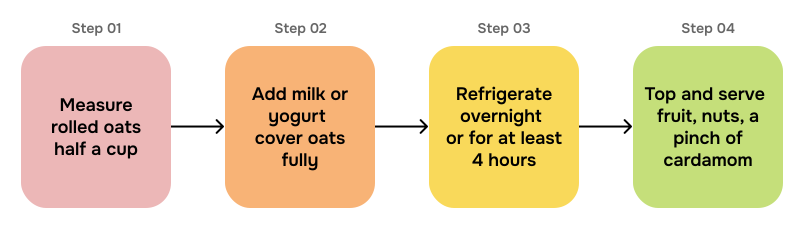
The preparation is genuinely that simple, and it changes the breakfast decision from a morning problem into an evening one, which most people find much easier to keep up. A handful of pumpkin seeds or a spoon of peanut butter added at the topping stage brings the protein closer to what eggs would provide, which matters for anyone eating oats every day and wondering whether that is nutritionally sufficient.
On the weight management question, oats support it honestly rather than dramatically. The satiety mechanism means people tend to eat less later in the morning without consciously trying. That is the oats benefit worth holding on to, because it does not require tracking anything or changing much else.
What changes more gradually is the mental load around breakfast itself. A jar in the fridge is not a meal plan, but it is one fewer decision at 7 a.m., and those add up quietly over a week.
A Few Things Worth Knowing Before You Make It a Daily Habit
Not every packet of oats is doing what plain rolled oats do. The flavored instant varieties marketed as quick healthy breakfasts often carry added sugar, sometimes enough to push a single serving close to what you would find in a biscuit. The fix is simple: check the ingredients list. Plain oats have one line. Anything with "oat flavor," "honey and cream," or a fruit name is a processed product, not a whole grain.
Portion size is worth thinking about too, especially for weight management. A controlled trial compared oat breakfasts to ready-to-eat cereal at 363 kilocalories each (source) and found oats produced significantly greater fullness and reduced calorie intake at lunch. The takeaway from that study is not that oats are magical. It is that the satiety effect works best when the bowl is built around plain oats with real protein alongside, not when it is already sweetened and flavored before it reaches the kitchen.
Steel-cut and rolled oats are, by some margin, the healthiest forms of the grain because they preserve the beta-glucan structure that the processing of instant varieties partially disrupts. If both are available and time allows, rolled oats for daily use and steel-cut oats for a slower weekend morning is a reasonable rhythm. The difference between them nutritionally is real but not dramatic. The difference between either of those and a flavored instant sachet is considerably wider.
What People Usually Want to Know
Take the Breakfast Decision Off Your Morning Entirely
The breakfast question tends to be the first one of the day, and it arrives before anyone is fully awake. Oats solve it well on their own terms, but the problem it represents does not stop at breakfast.
Dinner, lunch, the weekend, the weeks when the fridge goes empty in a slightly different order than usual: the "what do I cook?" question keeps returning, and each individual answer costs a small amount of mental energy that adds up over a week. That is the problem Frep is designed for, specifically for Indian kitchens where the answer needs to account for regional ingredients, family preferences, and the kind of cooking that actually happens on a Tuesday evening.
The app builds weekly meal plans around what is already in the pantry, generates a grocery list automatically, and draws on Indian cuisine in the way Indian recipe blogs do, rather than the way a generic wellness platform tends to. It covers the oats question, but it also covers every other meal that follows it.
The 14-day trial is free and full-featured, which means the only thing required to find out whether it helps is a little curiosity. If the article raised any recognition of that morning mental load, that is probably enough reason to look.
The pantry and grocery list features stay free regardless. So even if the weekly meal plan is not what you were looking for, the tool is still useful in a quieter way, which feels like a fair place to start.