
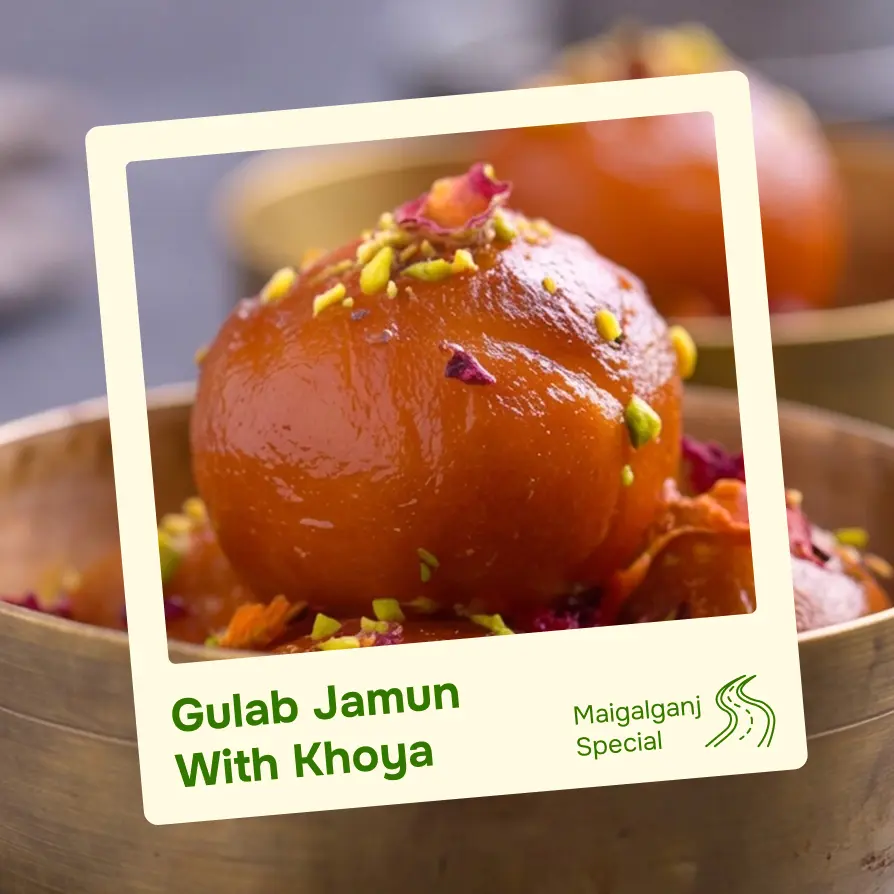
Gulab Jamun With Khoya
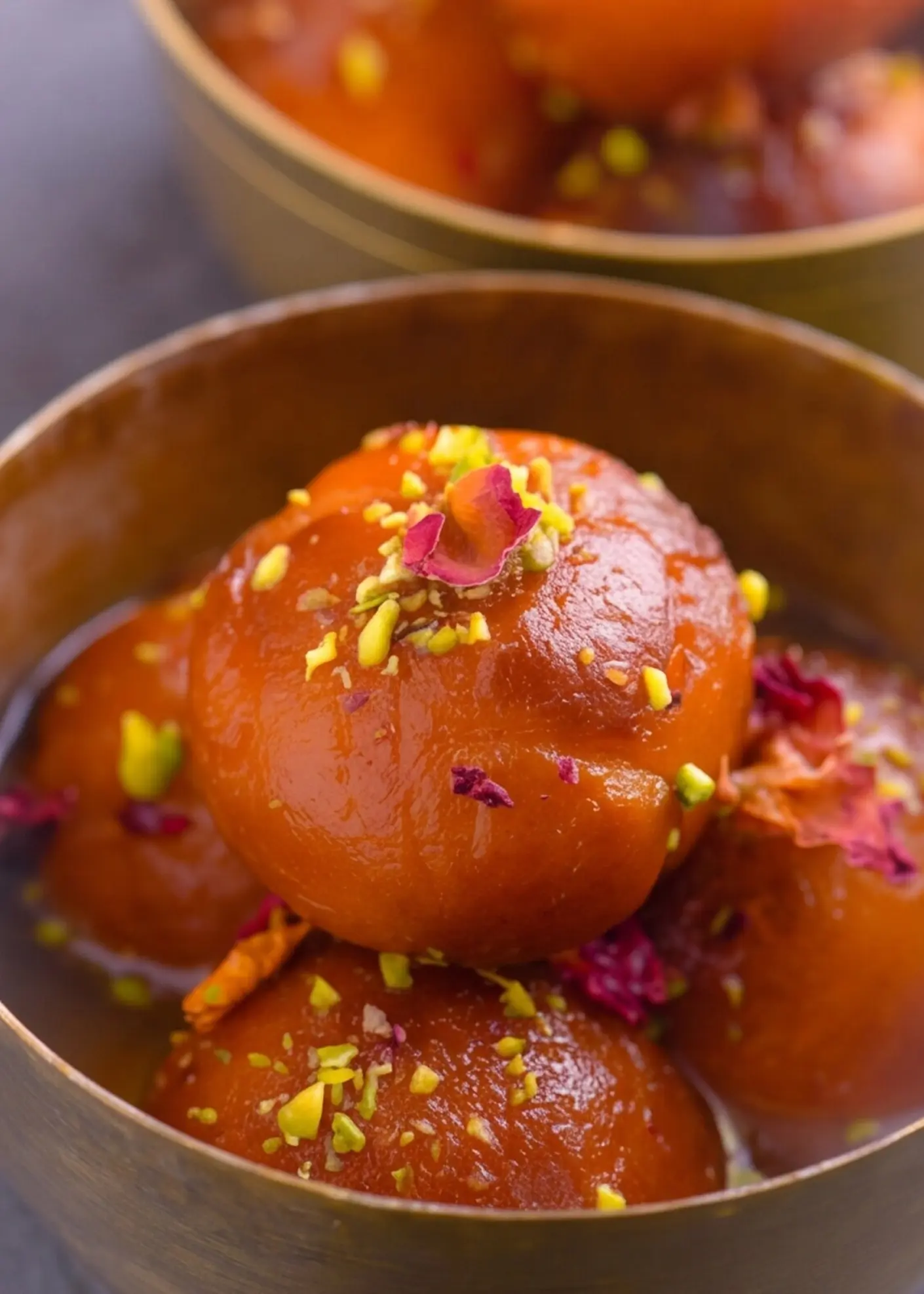
Warm, spongy, heavy with rose and cardamom syrup, the kind you eat standing at the kitchen counter.




Ingredients
Tap an ingredient to check it off as you prep.
Cooking steps
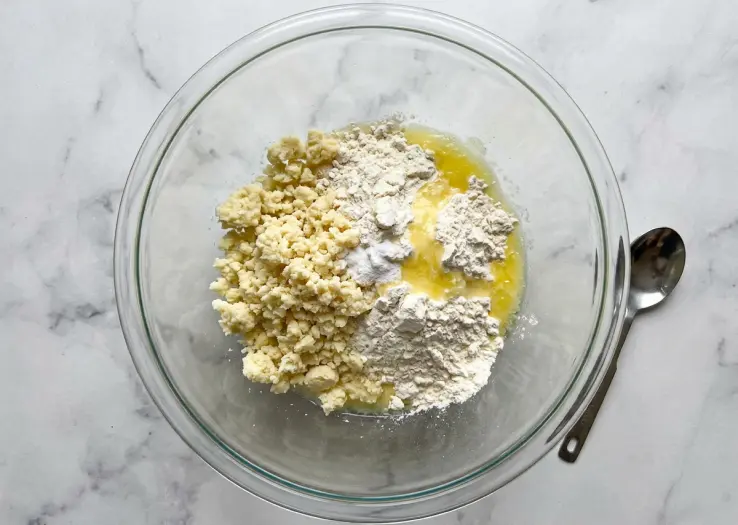
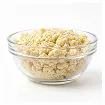
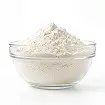
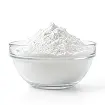
In a mixing bowl, combine the khoya (mawa) with the maida, cooking soda, and ghee.
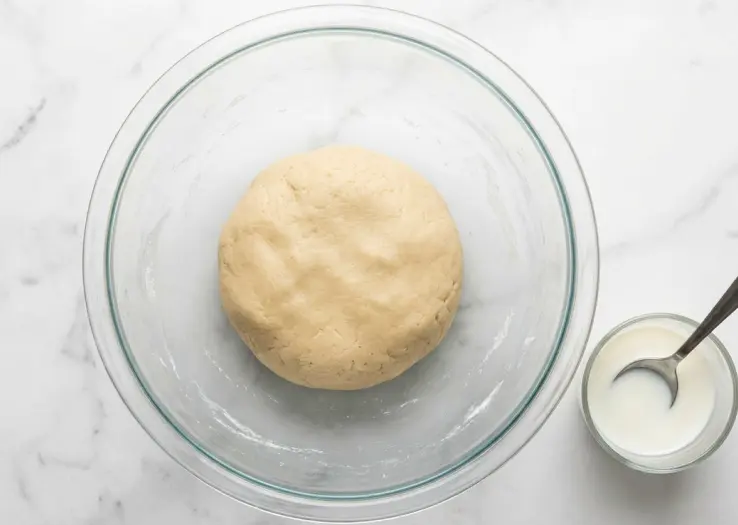
Knead the mixture, adding milk or water 1 teaspoon at a time if needed, until a firm dough comes together.
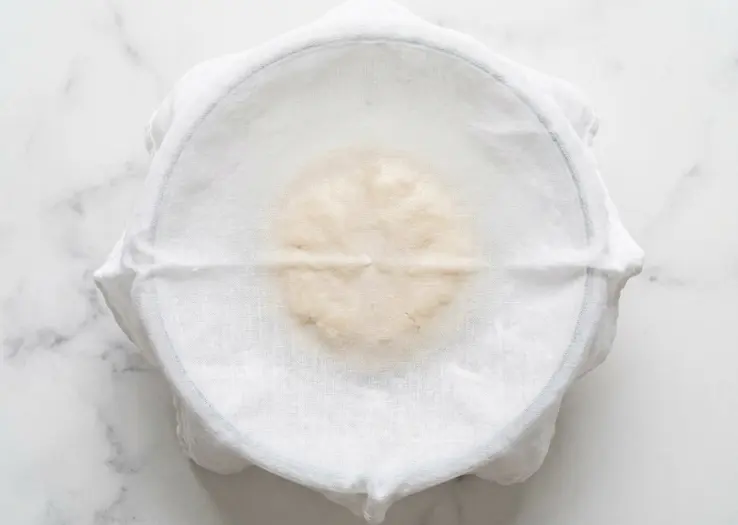
Continue kneading until the dough is smooth, then cover and rest for about 10 minutes.
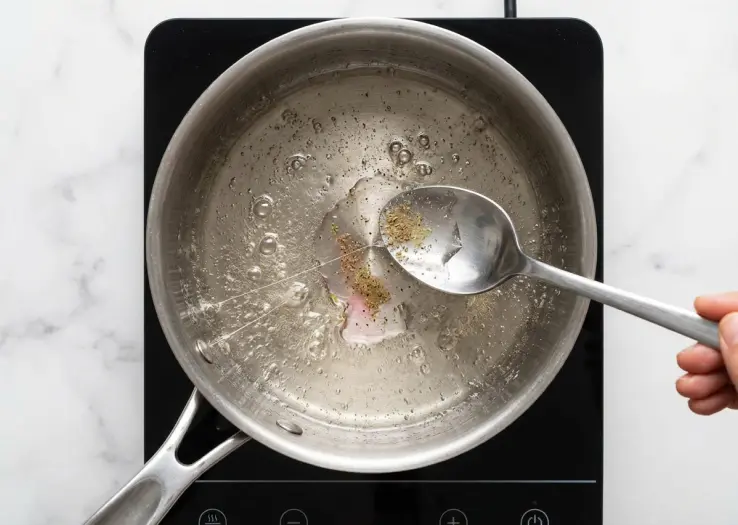
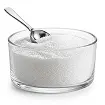
Meanwhile, prepare the sugar syrup: combine the sugar and water in a pan and heat over low to medium heat. Cook until the syrup reaches half-string consistency (it forms a thin thread between two fingers and breaks), then turn off the heat. Stir in the cardamom powder and rose essence, and keep covered.
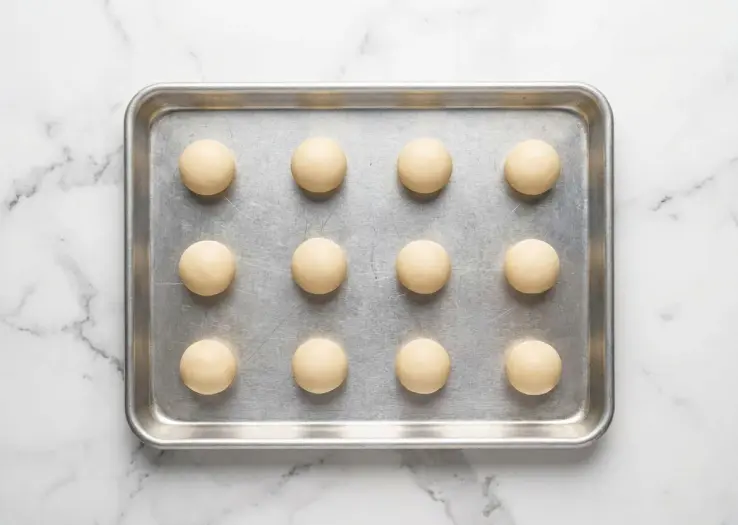
Divide the rested dough and roll it into very small, smooth balls without any cracks.
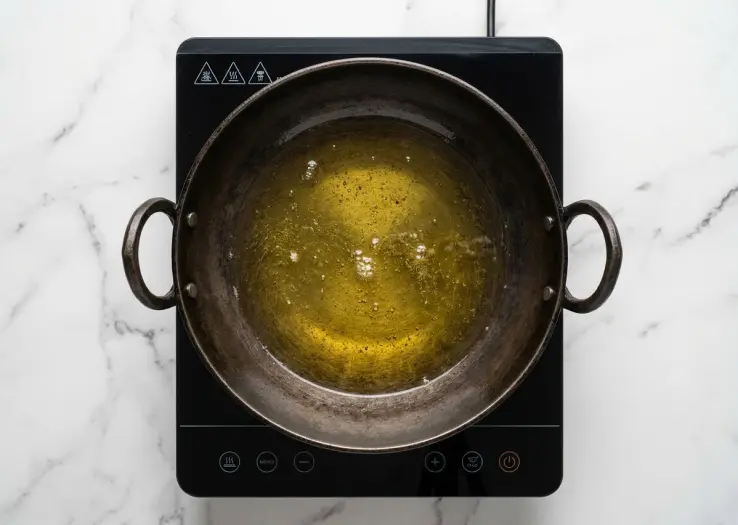
In a pan or kadai, heat oil or ghee to medium heat for deep frying.
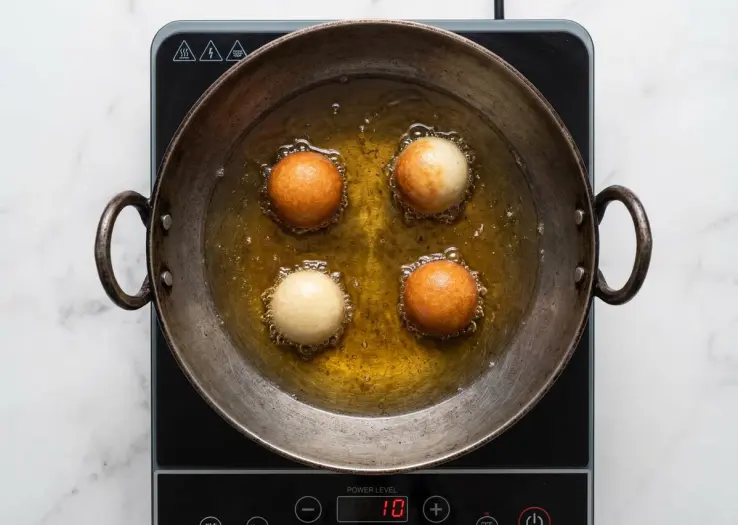
Once the oil is hot, lower 4 to 5 balls at a time and fry on low to medium heat until golden brown on all sides; frying on a lower heat ensures the jamuns cook through to the center.
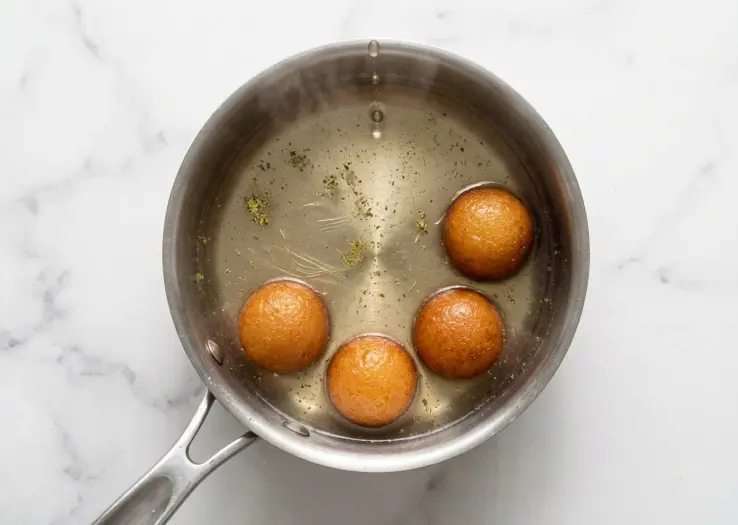
Carefully remove the fried jamuns and drop them into the warm sugar syrup; allow them to soak and swell, they will nearly double in size.
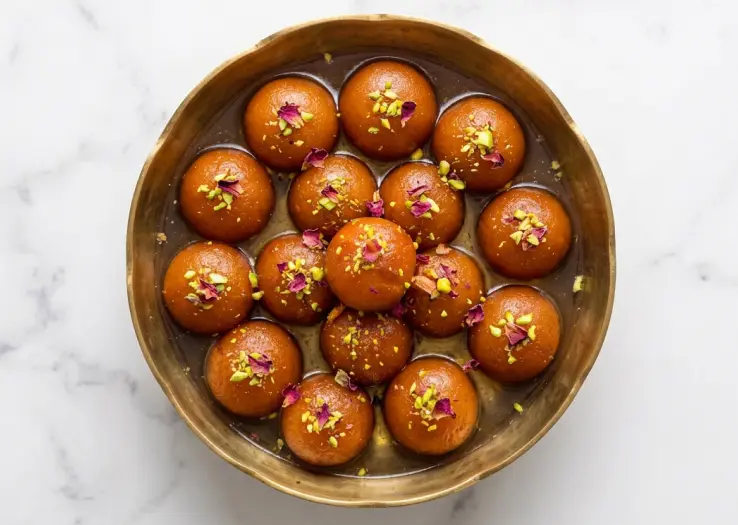
Fry the remaining balls in the same way and add them to the syrup; let all the jamuns soak for at least 30 minutes before serving.

Take this recipe with you


Gulab Jamun With Khoya

- Roll every ball until the surface is glassy. A hairline crack you can see now is a jamun that splits in the oil and drinks it.
- Hard, raw centers come from hot oil. Keep the flame low to medium and give the heat time to travel all the way in.
- Half-string, and stop. One thin thread between two fingers that snaps. Any further and the syrup sets hard around the jamuns.
- Warm syrup is the bit people get wrong. Hot and cold both leave the centers dry, so cover the pan off the heat and let it sit warm while you fry.

- Fry in ghee: Ghee in place of the oil browns them a shade deeper and leaves a richer, mithai-shop taste that oil never quite gets to. It costs more and it shows.
- Saffron for rose: Steep a pinch of saffron in the warm syrup instead of the rose water. The jamuns come out with a pale gold blush and taste like the kesar ones at a wedding.
- Cardamom only: Leave the rose water out and let the elaichi carry the syrup alone. Cleaner, milkier, none of the perfume, which is how plenty of homes prefer it.

- They live in their syrup. Out of it they dry out within a few hours, so keep them submerged in a covered container.
- A longer soak beats a short one. Thirty minutes is the floor; a few hours is better, so making them the morning of a party is genuinely the right call.
- Warm them before serving, always. Straight from the fridge the centers are firm and the syrup has gone thick and sticky.
Frequently Asked Questions
Can I make gulab jamun ahead of a party?
Yes, and they are better for it. Fry them and let them sit in the syrup for at least 30 minutes, though a few hours is even better. Warm them gently before serving so the centers go soft again.
How do I know when the sugar syrup is ready?
Half-string consistency is the marker. Cool a drop, press it between two fingers, pull them apart, and you should see a single thin thread that breaks. No thread means keep cooking; two thick threads means you have gone too far.
My jamuns are not soaking up the syrup. What went wrong?
Either the syrup was cooked past half-string and got too thick, or the jamuns went into cold syrup. Take the sugar and water only to half-string consistency, keep it covered and warm, and give the jamuns at least 30 minutes to sit in it.
Why do my gulab jamuns crack while frying?
The dough was not kneaded smooth, or the balls were rolled with hairline cracks still on the surface. Knead until the mixture comes together evenly, rest it for 10 minutes, then roll each ball until the surface is completely smooth before it goes anywhere near the oil.
Why is the center of my gulab jamun hard and raw?
Almost always the oil was too hot. On high heat the outside browns in a minute while the middle never cooks. Fry on low to medium so the heat has time to travel to the center, and take the jamuns out only when they are golden brown all over.