
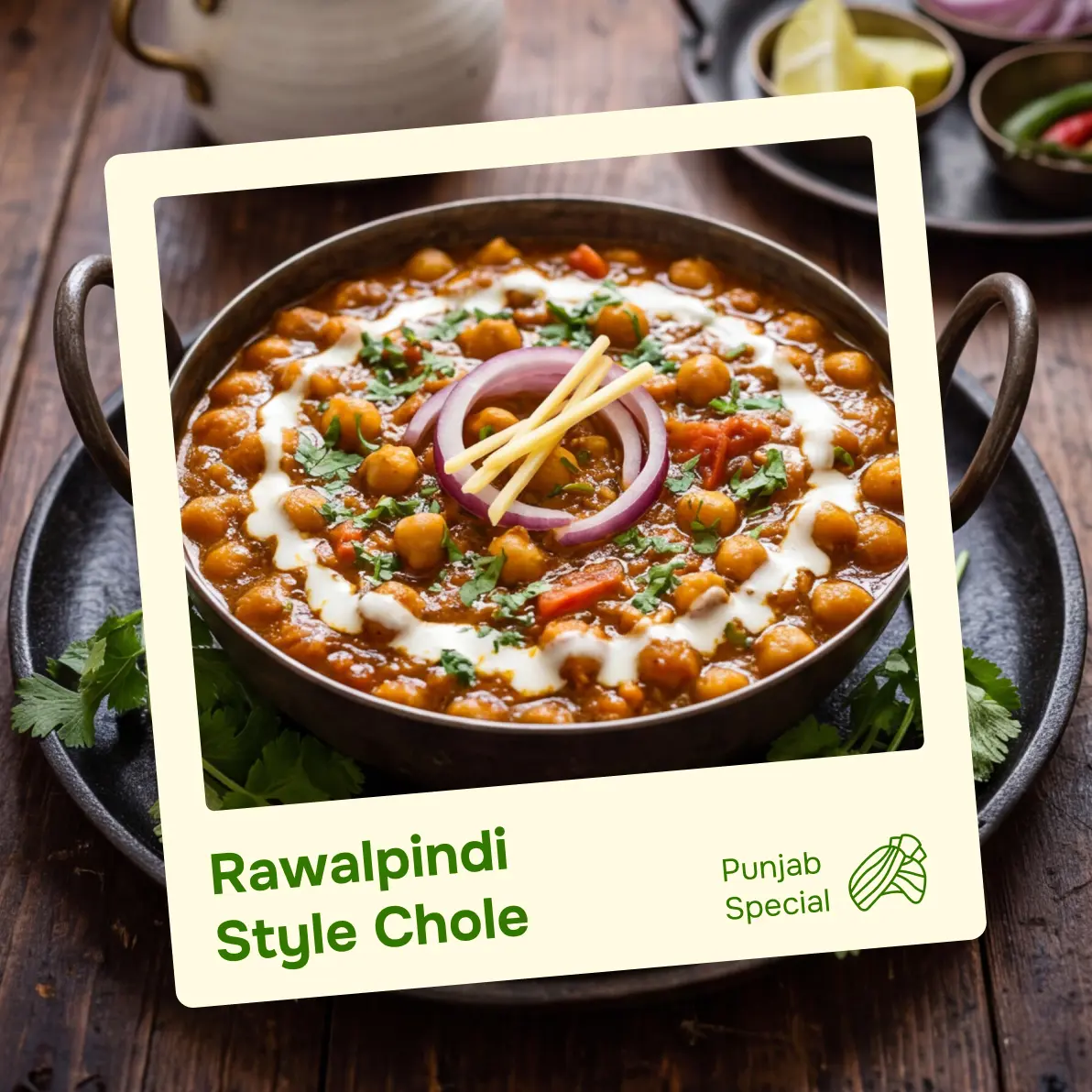
Rawalpindi Style Chole
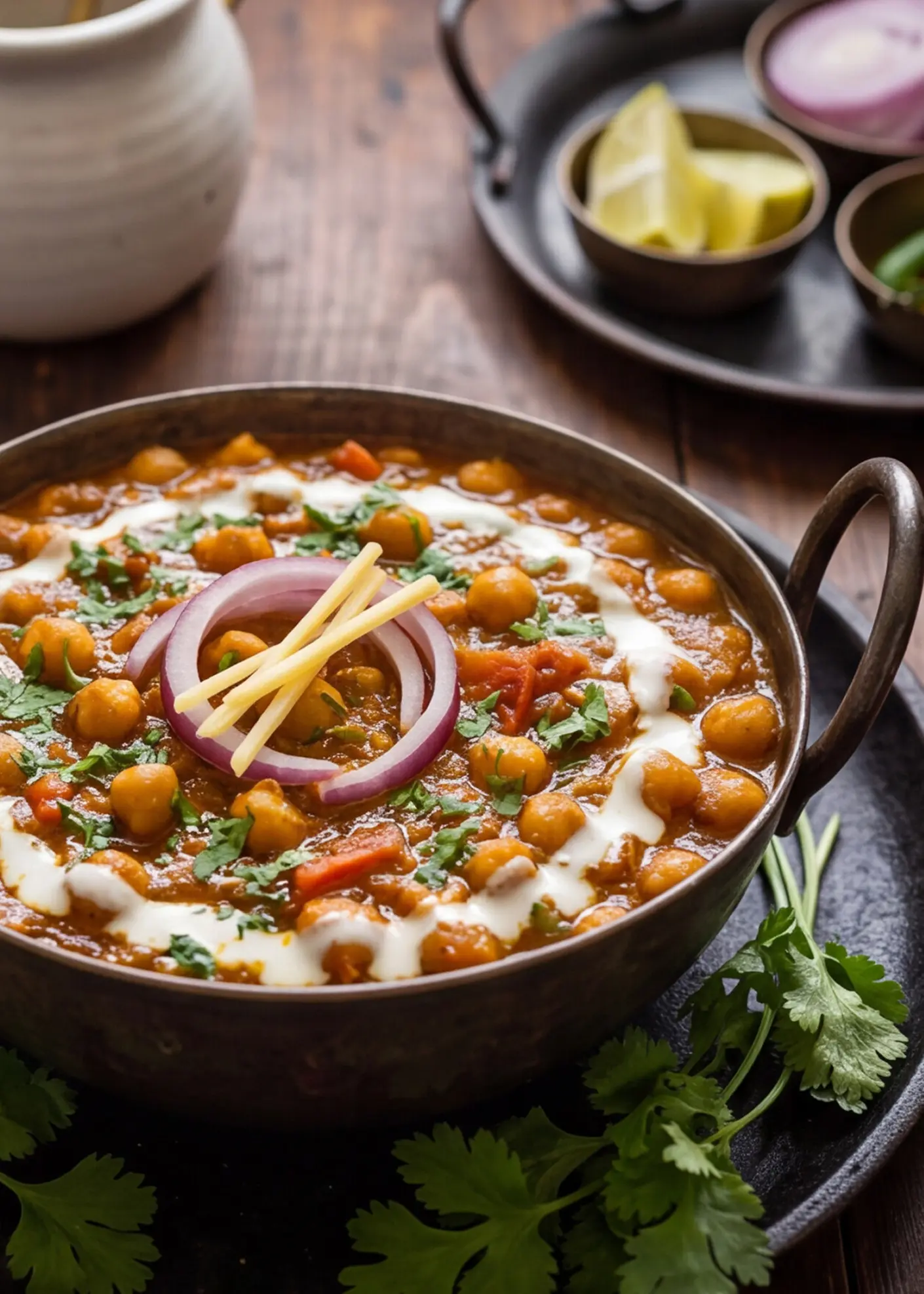
Chickpeas simmered soft in a tangy anardana gravy, with ghee and freshly ground coriander doing the heavy lifting.




Ingredients
Tap an ingredient to check it off as you prep.



Cooking steps
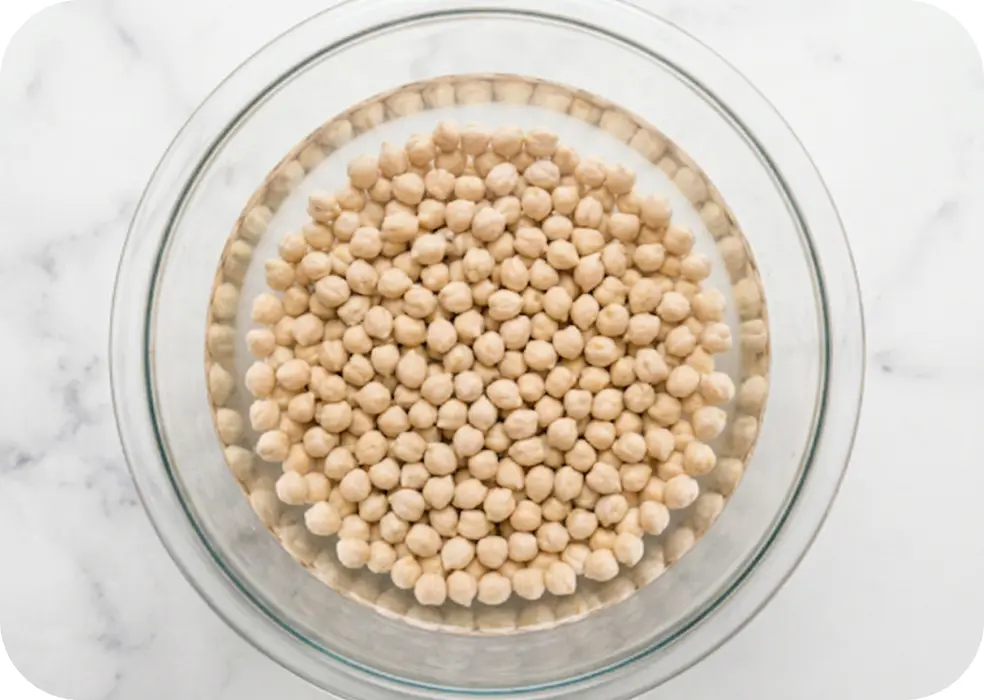
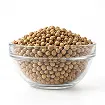
Soak the chickpeas in water overnight or for 6 to 7 hours. Drain well before cooking.
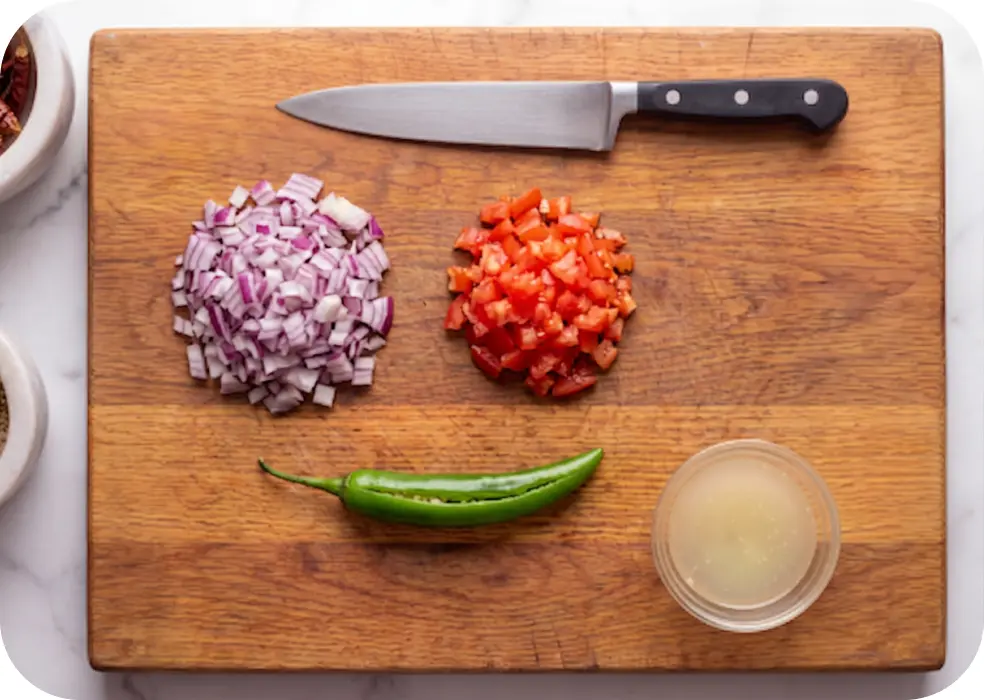
Finely chop the onions and tomato. Slit the green chilli lengthwise.
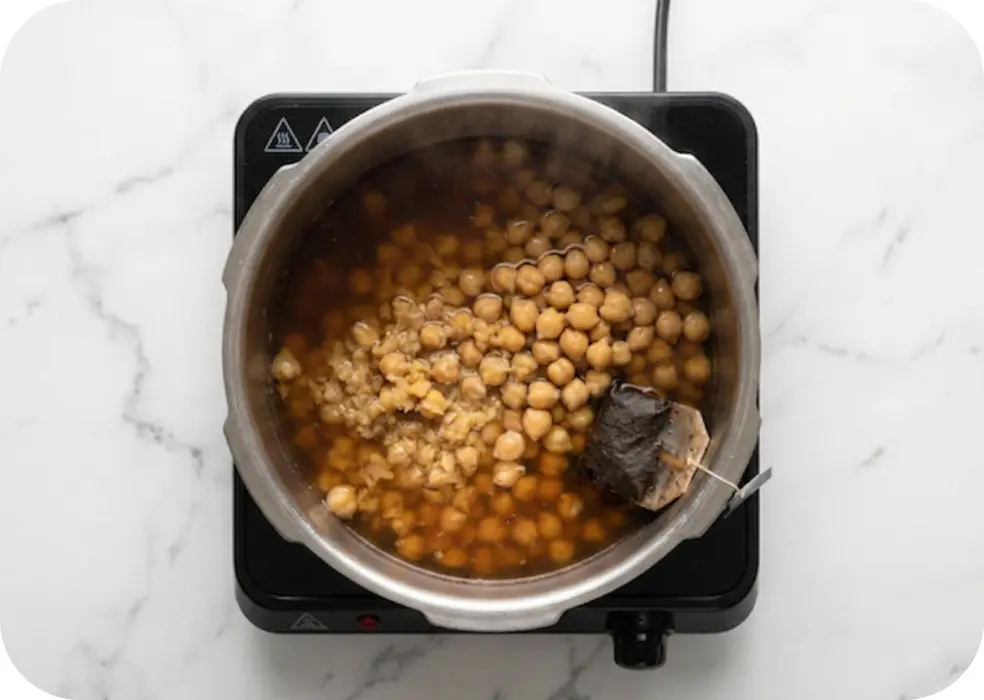
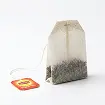
Pressure cook the soaked chickpeas with 1/4 teaspoon salt and the tea bag, adding enough water to cover. Cook for 8 to 10 whistles until the chickpeas are completely soft. Discard the tea bag, drain and reserve the cooking water. Slightly mash half the cooked chickpeas and keep aside.
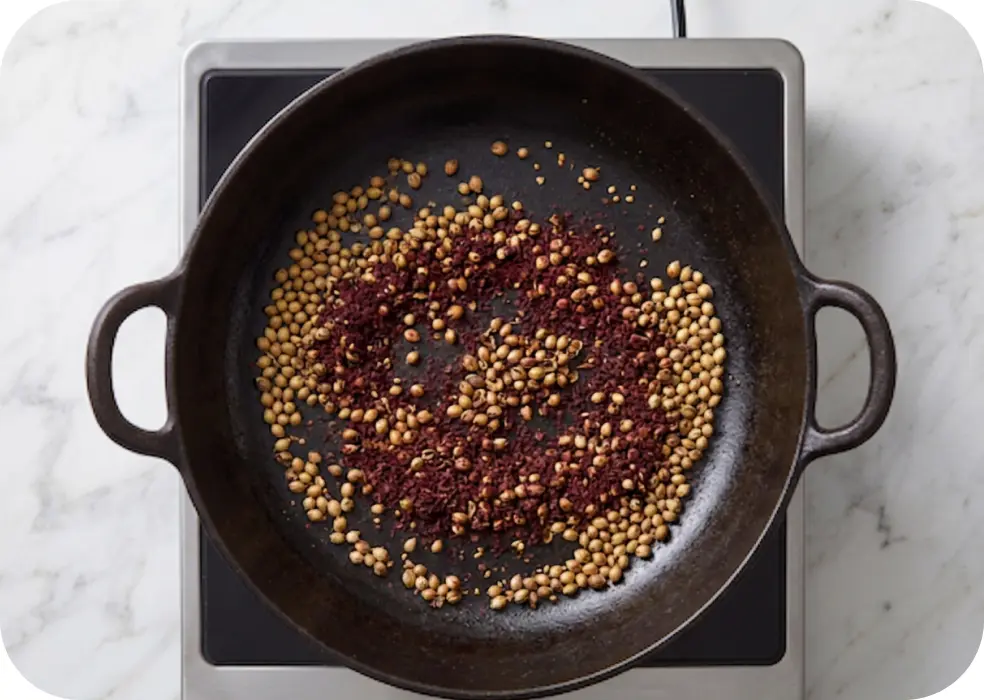
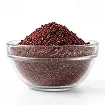
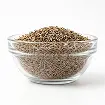
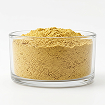
While the chickpeas cook, dry-roast the coriander seeds and anardana (pomegranate seed powder) in a pan over medium heat until fragrant. Allow to cool, then grind to a fine powder and keep aside.
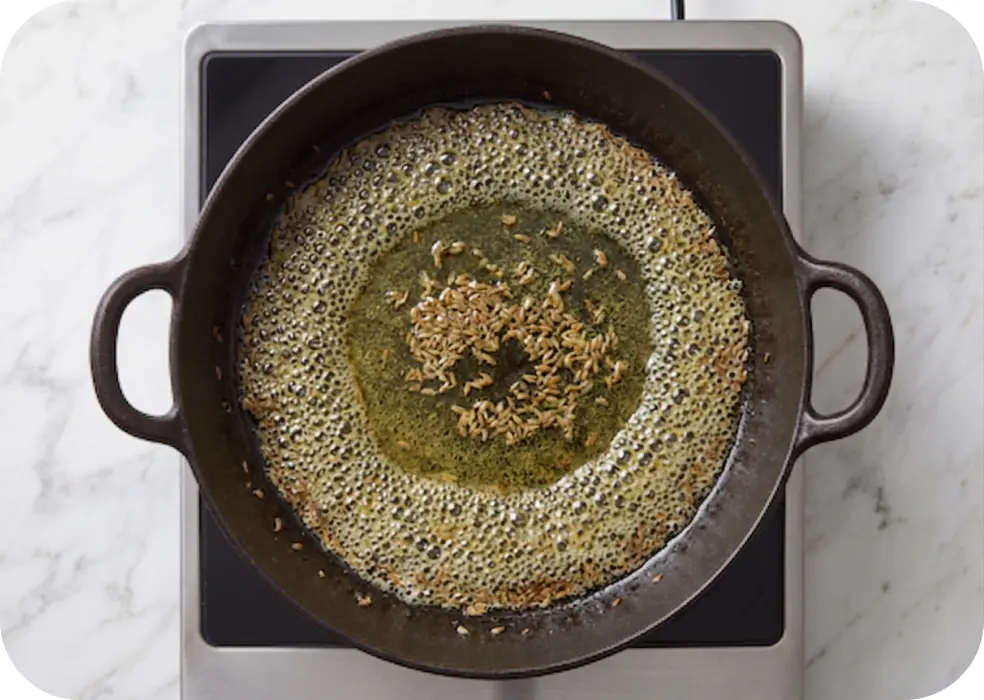
Heat the ghee in a kadhai (wok) over medium heat. Add the cumin seeds and let them crackle.
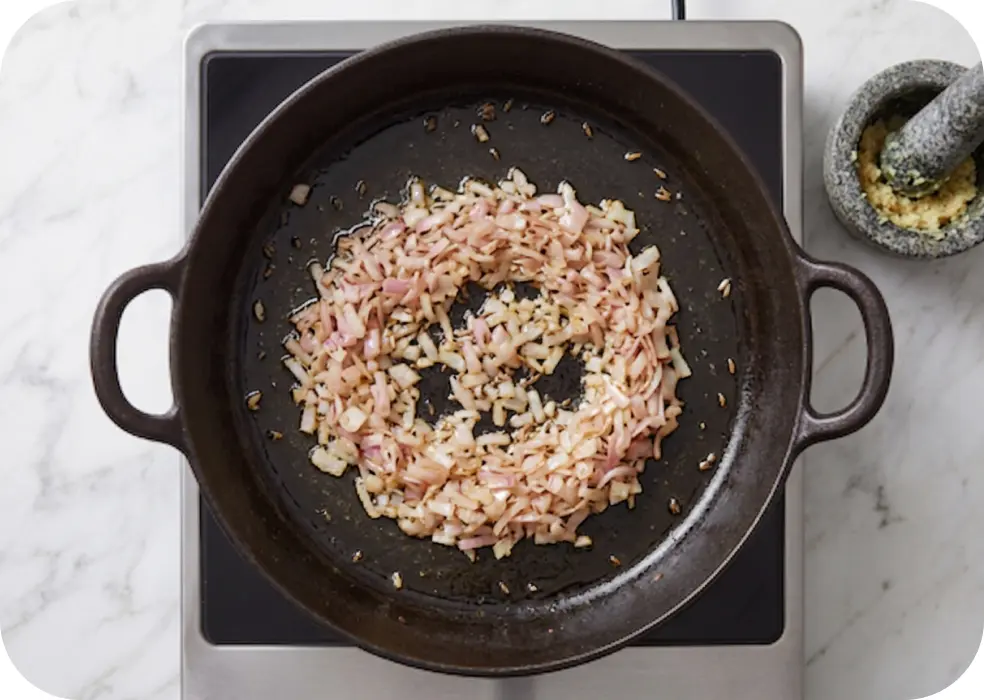
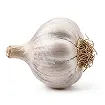
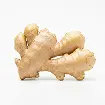
Add the chopped onions and fry until they turn lightly pink. Meanwhile, crush the garlic and ginger together with a mortar and pestle to form a coarse paste.
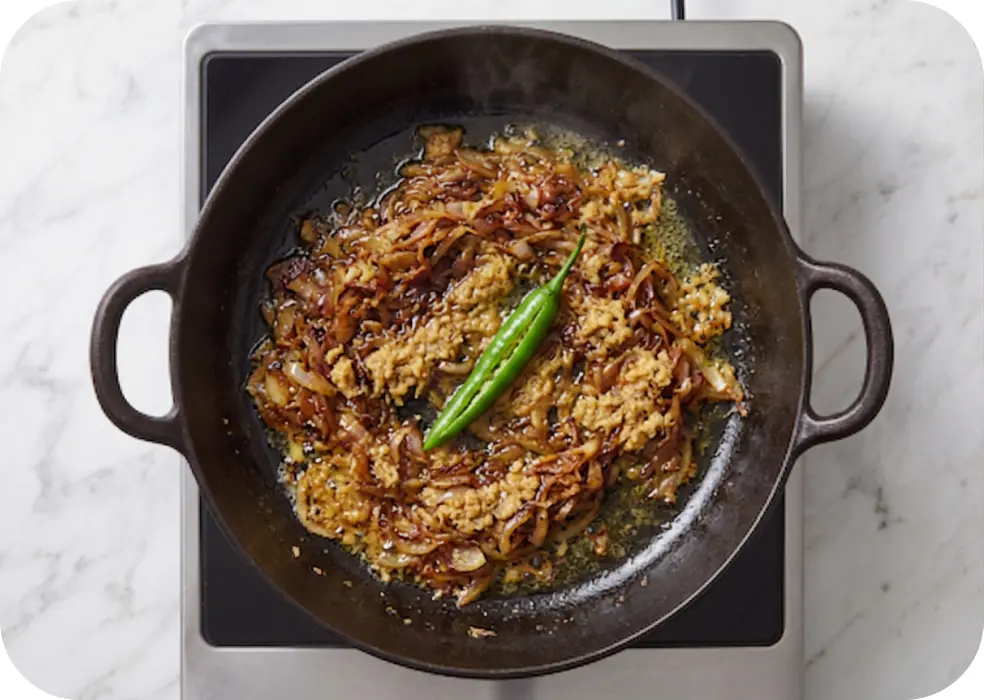
Add the garlic-ginger paste to the onions and sauté until the raw smell disappears. Add the slit green chilli and sauté for a few seconds more.
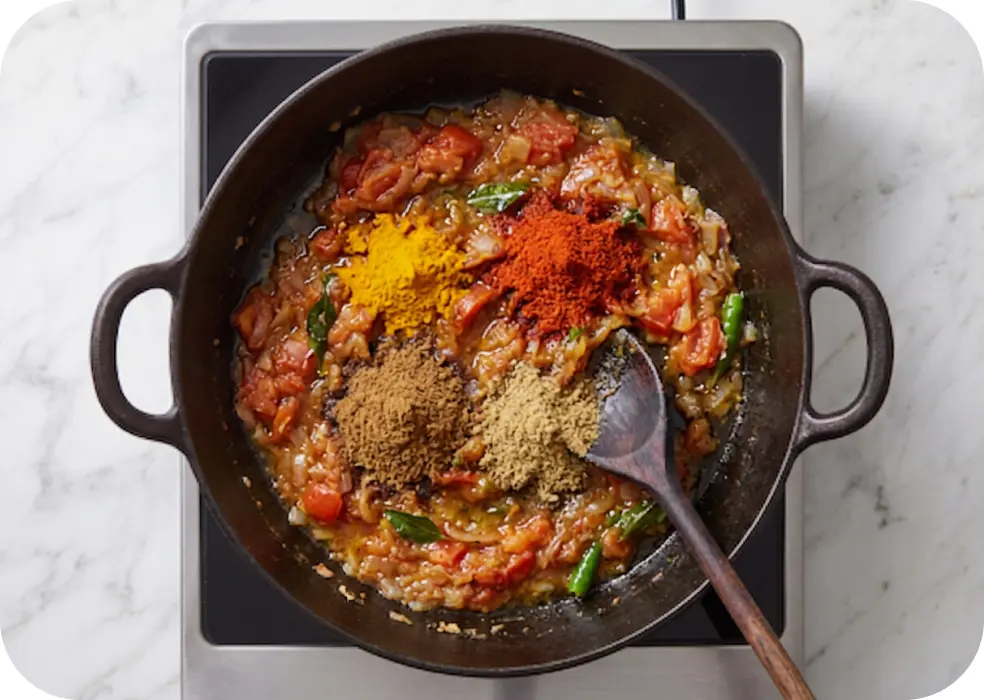
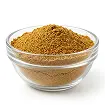
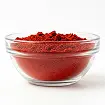
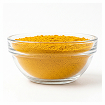
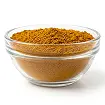
Add the chopped tomato and sauté until it turns soft and mushy. Stir in the turmeric powder, red chilli powder, cumin powder, dry mango powder, garam masala, ground coriander seed powder, and anardana powder. Mix well to combine.
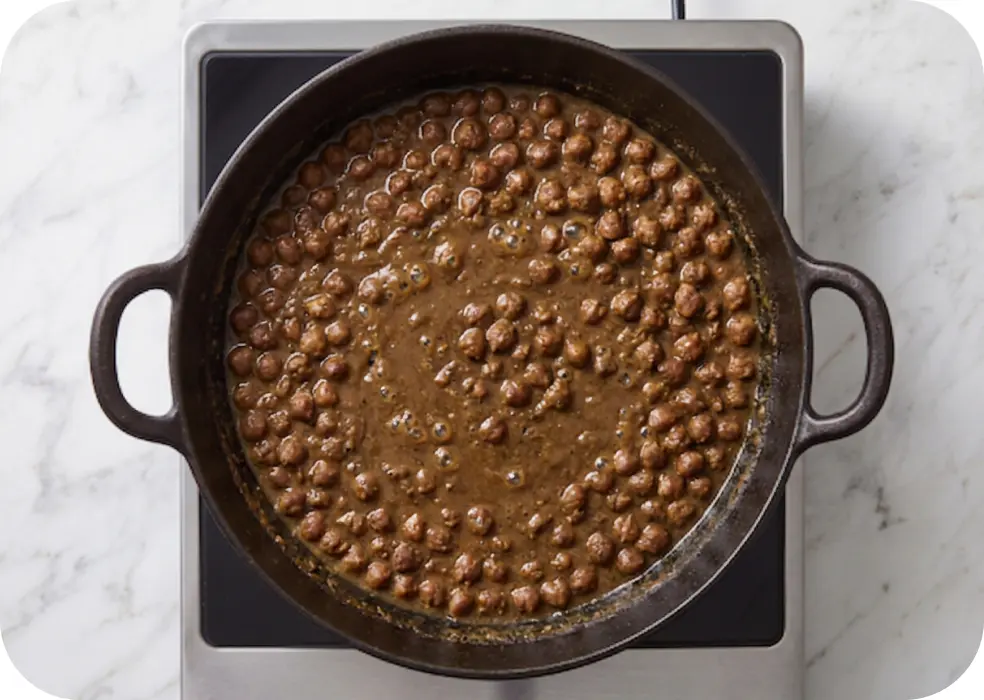
Add the cooked chickpeas, salt to taste, and about 1 cup of the reserved cooking water. Bring to a brisk boil, then reduce the heat and simmer until the gravy thickens. Turn off the heat.
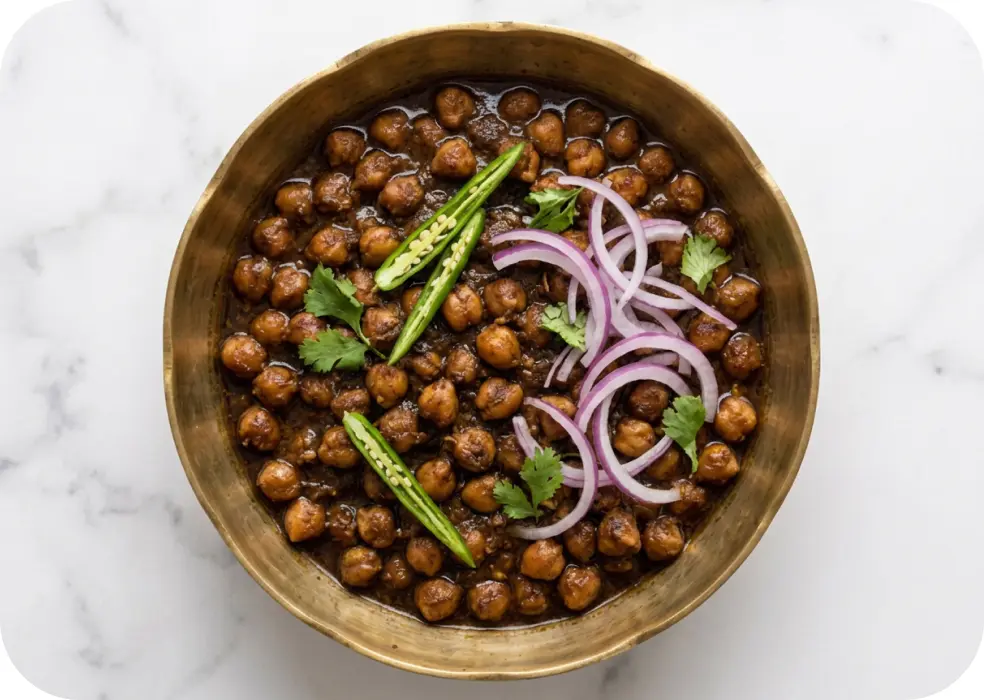
Transfer the Rawalpindi Chole to a serving bowl.

Take this recipe with you


Secrets to dark, tangy Rawalpindi chole

- Soak the chana properly. Six hours is the floor, overnight if you can plan it. Undersoaked chickpeas will fight you no matter how many whistles.
- Spices that grind into a paste were still warm. Roast the coriander seeds and anardana until they smell nutty, then cool them all the way down before the grinder.
- Do not pour away the cooking water. That starchy, tea-steeped cup is the whole body of the gravy.
- Half the chickpeas get mashed before they go back into the kadhai, and that is the entire thickening plan. No cream, no cashew paste.

- Skip the tea bag: The tea bag is doing color, not flavor. Leave it out and the chole tastes exactly the same, it just comes up a plain light brown instead of the near-black that makes Rawalpindi chole look like Rawalpindi chole.
- Canned chickpeas on a weeknight: Canned chana skips the overnight soak and the 10 whistles, and here is the honest trade: no tea-steeped cooking water to thicken the gravy, firmer skins, and a flatter taste because the chana never cooked in the tea. Mash a few more of them and loosen with hot water instead.
- No anardana: If anardana is nowhere to be found, lean harder on the amchur. The sourness lands sharper and more citrusy, and you lose the deep fruity tang that is the point of this version.

- Chole genuinely tastes better on day two. The masala settles into the chickpeas overnight, so cook it a day ahead whenever you can.
- It keeps thickening as it sits. Loosen it with hot water, never cold, and reheat gently so the chickpeas stay creamy instead of going mealy.
- It freezes better than most curries because there is no dairy in the gravy to split. Portion it, and thaw overnight in the fridge.
Frequently Asked Questions
How far ahead can I make this?
A full day ahead, happily. Chole is one of those dishes that improves sitting in the fridge overnight while the masala works its way into the chana. Reheat gently, loosen with hot water, and fry the bhatura fresh just before you eat.
Can I use canned chickpeas?
You can when the day is tight, but you give up two things: the tea-steeped color and that starchy cooking water the gravy leans on. Rinse them well, skip the pressure cooking step, and use hot water to bring the gravy together instead.
Why does the color of chole vary so much?
Mostly the tea bag. It steeps into the chickpeas while they pressure cook and pulls them deeper, so a stronger tea gives you a darker pot and no tea gives you a pale one. Your tomato and red chili powder nudge it further.
Can I make this without a pressure cooker?
Yes, it just asks for patience. Simmer the soaked chana in a covered heavy pot with plenty of water and the tea bag until a chickpea crushes easily between two fingers. Top up with hot water as the level drops, and taste one before you drain.
Why are my chickpeas still hard after cooking?
Nine times out of ten it is the soak. Six to seven hours is the minimum and overnight is better, and only a quarter teaspoon of salt goes into the cooker with the tea bag. Hold the rest of the salt back until the chana is already soft.