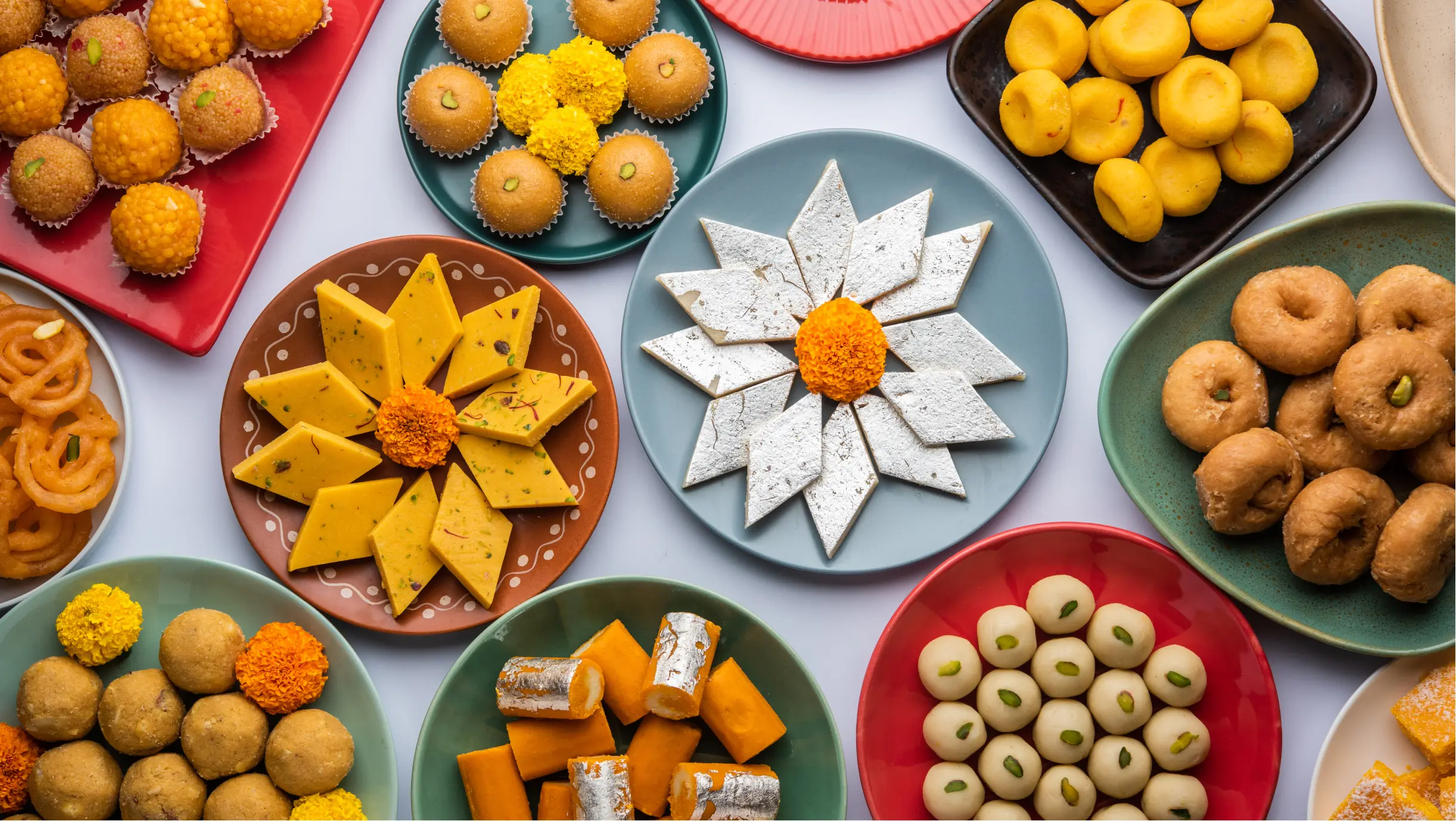
Diwali, also known as Deepavali, is the festival of lights, celebrated with glowing diyas, colourful rangolis, family gatherings, and tables filled with festive treats. The festival symbolises the victory of light over darkness and good over evil, making it a time for new beginnings, prosperity, and togetherness.
Sweets hold a special place in Diwali celebrations. In many Indian households, families prepare traditional mithai for the puja, offer sweets to deities, and share boxes of homemade treats with friends, relatives, and neighbours. During Lakshmi Puja, sweets are often part of the offerings made to Goddess Lakshmi, who is associated with wealth and prosperity. The exact customs and recipes vary across regions and families, but the joy of sharing something sweet is a tradition many households cherish.
From besan ladoos and kaju katli to creamy kheers, rich halwas, and regional favourites, Diwali sweets bring together generations of food traditions. Some recipes are lovingly passed down through families, while others offer a chance to try something new each year.
Whether you’re preparing sweets for your Diwali puja, putting together a festive gift box, or planning a family get-together, we’ve gathered Diwali sweets and dessert recipes for 2026 to inspire your celebrations. Explore traditional Indian mithai, comforting desserts, and festive favourites to find something special to share with the people you love.
Top Deepawali Sweets Recipes to Try in 2026
Karanji
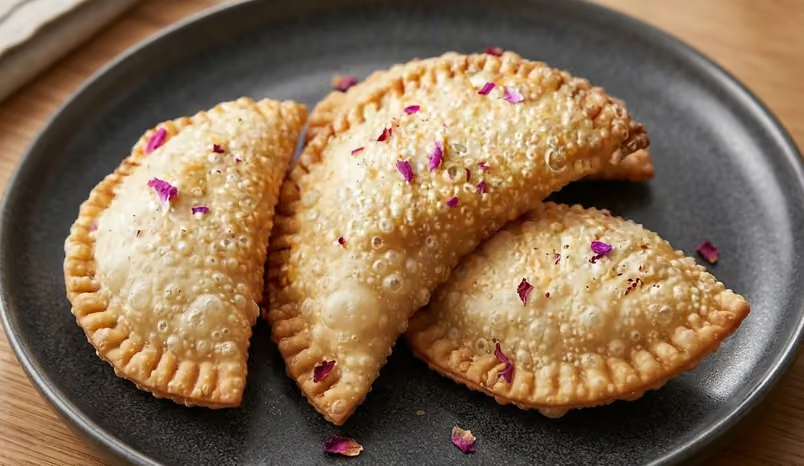
Karanji Karanji is a traditional Maharashtrian sweet made with a crisp, flaky pastry shell filled with a sweet mixture of coconut, sugar, nuts, and aromatic spices such as cardamom. The crescent-shaped pastries are sealed at the edges and deep-fried until golden, creating a delicate crunch that contrasts with the flavourful filling inside. Karanji holds a special place in many Maharashtrian households during Diwali, when families prepare batches to share with relatives, welcome guests, and include in festive faral platters. Each household may have its own filling and preparation method, making this sweet a lovely example of how family traditions shape festive cooking.
-
Shakkar Para (Gur Para / Shankarpali)
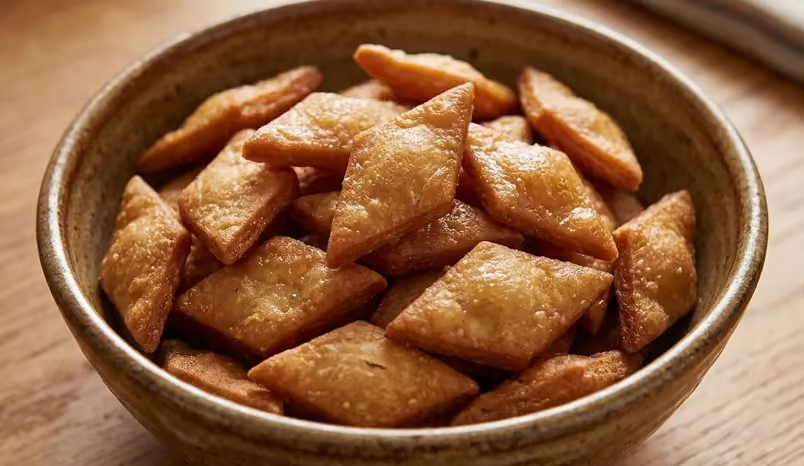
Shakkar Para (Gur Para / Shankarpali) Shakkar Para is a popular Indian sweet made by cutting a prepared dough into small pieces and frying them until crisp, then coating or preparing them with sugar or jaggery, depending on the variation. The sugar-based version has a delicate sweetness and crunchy bite, while gur para gets its deeper, caramel-like flavour from jaggery. Shankarpali is especially familiar in Maharashtrian festive cooking, where sweet diamond-shaped pieces are commonly prepared for Diwali faral. These bite-sized treats are easy to serve, store, and share, making them a practical addition to homemade festive snack boxes. Their crisp texture and simple ingredients give them a nostalgic appeal across generations.
-
7 Cups Burfi
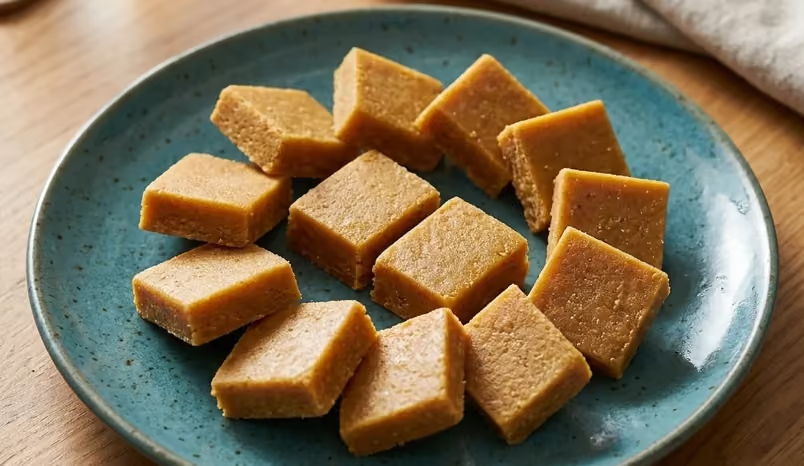
7 Cups Burfi 7 Cups Burfi is a traditional South Indian sweet known for its rich, fudgy texture and the simplicity of its ingredients. Made with gram flour, coconut, milk, ghee, and sugar, this sweet gets its name from the traditional proportions used to prepare it. The mixture is cooked until thick, then set and cut into neat squares. With a balance of nutty gram flour, creamy richness, and gentle coconut flavour, 7 Cups Burfi is a lovely addition to a Diwali sweet platter. It is also a practical choice for home cooks who want to prepare several portions of homemade mithai to share with family and friends.
-
Adhirasam
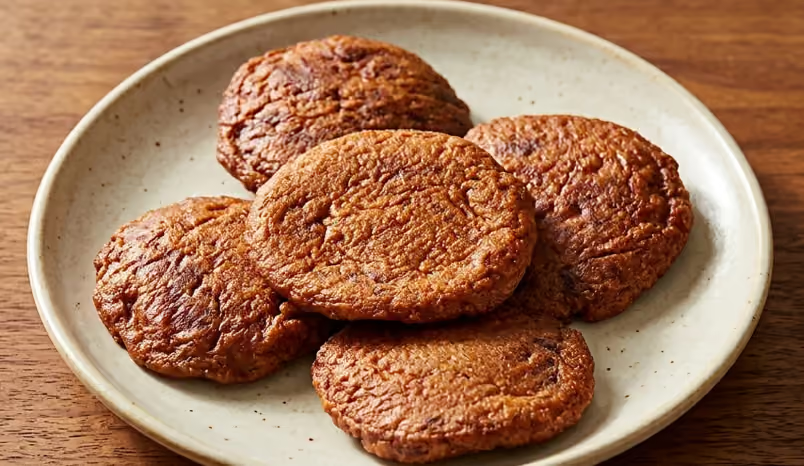
Adhirasam Adhirasam is a traditional Tamil sweet made with rice flour and jaggery, shaped into discs and deep-fried until golden. It has a distinctive combination of a slightly crisp exterior and a soft, chewy centre, with the deep caramel-like flavour of jaggery coming through in every bite. Popular in Tamil Nadu, adhirasam is prepared for festive occasions and religious celebrations, including Deepavali in many Tamil households. Making it well often requires attention to the consistency of the dough and the temperature of the oil. Its rich sweetness and long-standing place in South Indian food traditions make it a memorable choice for a Diwali dessert spread.
-
Almond Fudge (Badam Burfi)
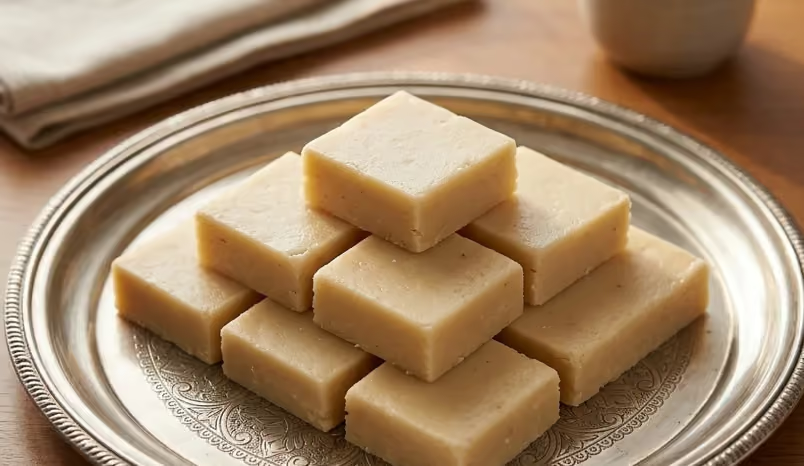
Almond Fudge (Badam Burfi) Almond Fudge, also known as Badam Burfi, is a rich Indian sweet that brings together the nutty flavour of almonds with the smooth texture of traditional burfi. Almonds are combined with ingredients such as ghee, milk, and sugar to create a mixture that can be shaped and cut into delicate pieces once set. Its naturally nutty taste and elegant appearance make it well suited to festive gifting and special family gatherings. While recipes vary in their preparation and texture, badam burfi is a delicious option for anyone looking to add a nut-based sweet to their Diwali collection.
-
Almond Halwa (Badam Halwa)
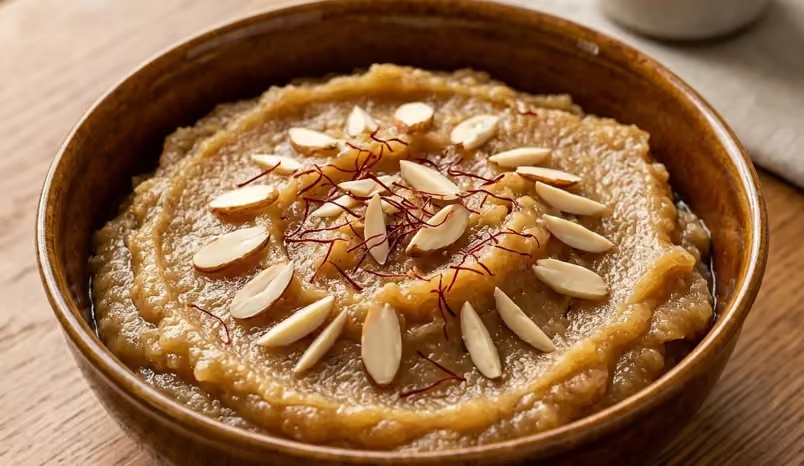
Almond Halwa (Badam Halwa) Almond Halwa, or Badam Halwa, is a rich, slow-cooked dessert celebrated for its smooth texture, nutty flavour, and generous use of ghee. Ground almonds are cooked with sugar and ghee until the mixture thickens into a glossy halwa, often finished with cardamom or saffron for added aroma. The result is a luxurious sweet that feels especially fitting for festive meals and family celebrations. Almond halwa is enjoyed across different parts of India, with variations in preparation and consistency. Served warm in small portions, it makes a lovely alternative to the more familiar ladoos and barfis on a Diwali dessert table.
-
Badam Pottukadalai Ladoo
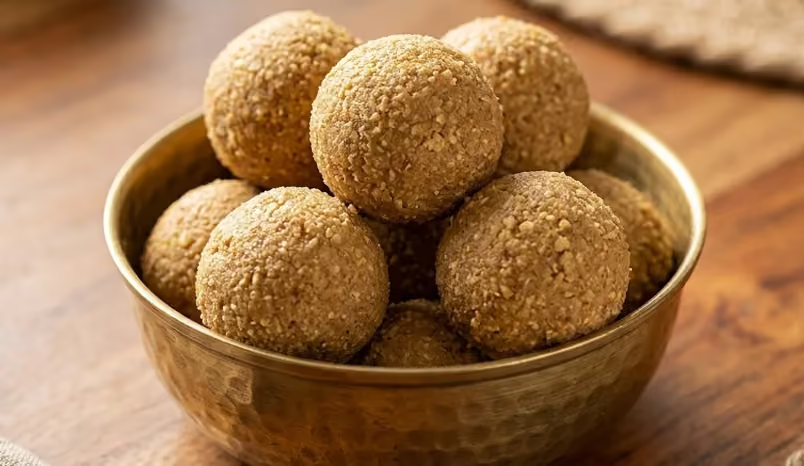
Badam Pottukadalai Ladoo Almond Roasted Chana Dal Ladoo, also known as Badam Pottukadalai Ladoo, combines roasted gram dal and almonds to create a sweet with a pleasant nutty flavour. Roasted gram provides an earthy base, while almond flour adds richness. Ghee, jaggery, and cardamom bring the ingredients together into fragrant, bite-sized ladoos. Inspired by South Indian ladoo-making traditions, this variation offers a different take on the classic festive sweet. Its compact shape makes it easy to serve alongside other mithai or pack into small homemade gift boxes for Diwali. The combination of roasted ingredients and warm cardamom gives each bite a comforting, homemade character.
-
Angoori Rasmalai
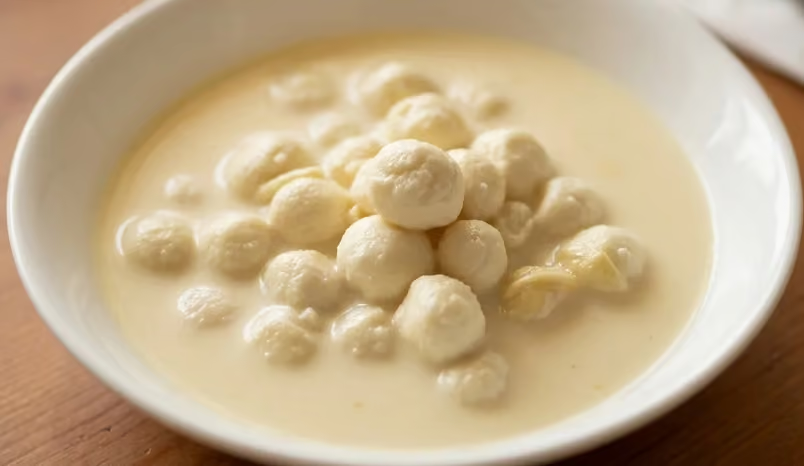
Angoori Rasmalai Angoori Rasmalai is a delicate variation of the much-loved Bengali-inspired rasmalai, featuring small, grape-sized cheese dumplings soaked in sweetened, flavoured milk. The little dumplings absorb the creamy liquid, creating a dessert that is soft, milky, and lightly aromatic. Cardamom, saffron, and chopped nuts can add further flavour and texture, depending on the recipe. Unlike dry sweets such as burfi and ladoo, angoori rasmalai is served chilled or cool, making it a refreshing finish to a festive meal. Its elegant presentation also makes it a lovely dessert for Diwali dinners and family gatherings.
-
Gulab Jamun with Khoya
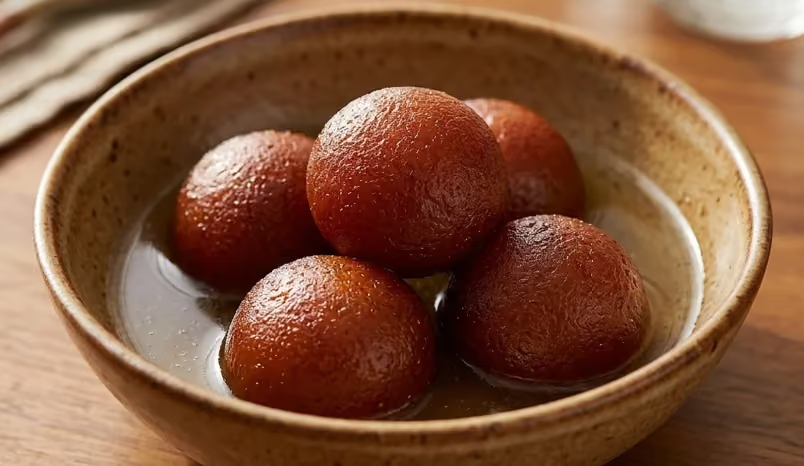
Gulab Jamun with Khoya Gulab Jamun with Khoya is a much-loved Indian dessert featuring soft, golden-brown dumplings made with khoya, or reduced milk solids, and soaked in fragrant sugar syrup. The dumplings are gently fried until evenly browned, then immersed in syrup often flavoured with cardamom, rose water, or saffron. As they soak, they develop a tender, melt-in-the-mouth texture and absorb the syrup's sweetness. Popular across India at weddings, festivals, and family celebrations, gulab jamun is also a welcome addition to a Diwali dessert spread. Served warm or at room temperature, these syrup-soaked treats are ideal for sharing after a festive meal.
-
Khaja
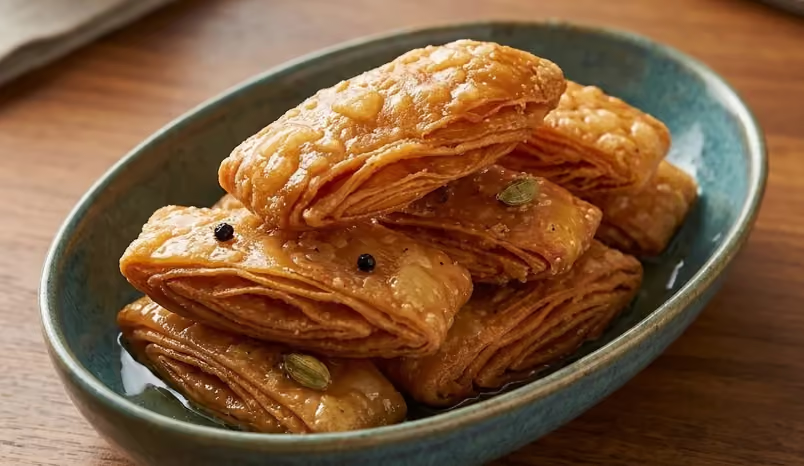
Khaja Khaja is a traditional Indian sweet known for its delicate layers, crisp texture, and sugary finish. Made by layering and shaping dough before frying, it develops a light, flaky bite that contrasts beautifully with the sweetness of the sugar syrup coating. Different regional versions of khaja can vary in shape, texture, and preparation, with well-known traditions in parts of eastern and northern India. Its layered appearance and satisfying crunch make it an interesting addition to a festive sweet platter. For Diwali, khaja offers a change from soft milk-based sweets and ladoos, bringing a crisp, syrup-kissed treat to the celebrations.
-
Mysore Pak
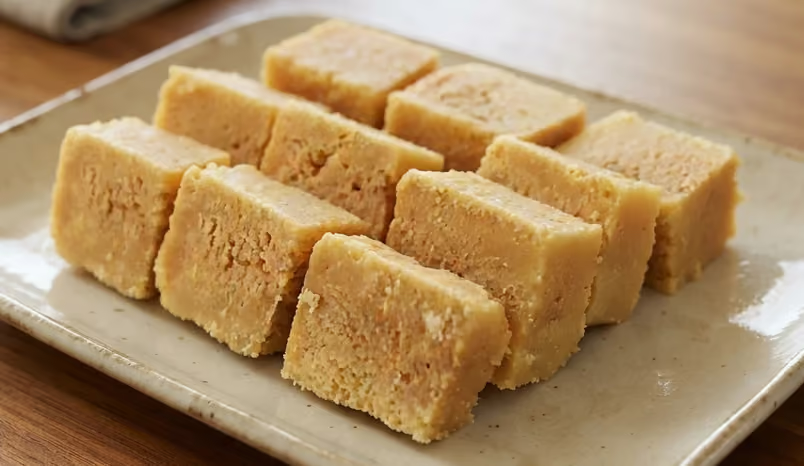
Mysore Pak Mysore Pak is a celebrated sweet from Karnataka, traditionally made with gram flour, ghee, and sugar. The ingredients are cooked together carefully to create a rich fudge that can range from firm and slightly crumbly to soft and melt-in-the-mouth, depending on the proportions and cooking technique. Its deep ghee aroma and roasted gram flour flavour make it instantly distinctive. Originating in the royal kitchens of Mysore, this sweet has become popular well beyond Karnataka and is enjoyed during festivals, weddings, and special family occasions. Mysore Pak is a wonderful choice for a Diwali mithai selection, especially for those who appreciate rich, traditional sweets made with a handful of ingredients.
-
Chanar Jilipi (Syrup-Soaked Cheese Jalebi)
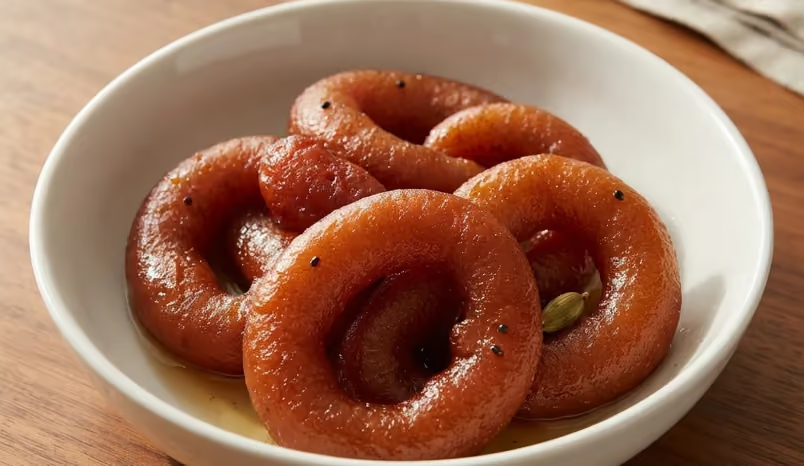
Chanar Jilipi Chanar Jilipi is a traditional Bengali sweet made from chhana, or fresh curdled cheese, shaped into coils and fried before being soaked in sugar syrup. Unlike the thin, crisp jalebi found in many parts of India, chanar jilipi is typically thicker and chewier, with a rich dairy flavour beneath its syrupy sweetness. Its distinctive spiral shape and glossy finish make it an eye-catching dessert for special occasions and festive gatherings. Rooted in Bengal's rich chhana-based sweet-making tradition, it offers a different experience from familiar milk peda or barfi. For a Diwali dessert collection, chanar jilipi is a delicious way to introduce readers to regional Indian mithai beyond the usual favourites.
Make This Diwali Delicious with Frep
From traditional mithai to festive favourites, there’s always something special to cook and share during Diwali. With 3,000+ recipes and 150+ Diwali sweets and snacks recipes, Frep makes it easier to discover dishes for your festive table.
Whether you’re preparing family favourites, trying regional sweets, or planning meals for the festive week, explore Frep for recipe inspiration that fits your kitchen.
Try Frep this Diwali and make festive cooking a little easier!